Modern and more efficient storage options like HDDs, SSDs, and USB drives have pushed CDs and DVDs out of use. However, some people still use them to keep old photo archives, camcorder footage, or other media collections that were never digitized.
Over time scratches, dirt, surface wear, and age can make these discs unreadable. Although CDs and DVDs have built-in error correction, which absorbs minor scratches, so a disc can look rough and still read fine. But when the damage is deeper, you may face issues like read errors, or failed transfers.
Whether you can recover data from a scratched CD/DVD depends more on the location and depth of the damage than on how badly the disc looks. This guide will walk you through the safest recovery methods first, if the disc becomes readable, copy your files to another storage device immediately.
What’s Wrong with Your Disc? Identify the Problem First
A scratch isn’t always deadly. But it can indeed make a disc unreadable if it reaches the data layer or runs too deep for error correction to cover. The data layer on a CD sits just under the label so label-side damage is actually the dangerous kind and scratches on the clear side are far easier to survive. DVDs on the other hand have a sturdier label side, but they can take less damage on the read side.
Identify what happens when you insert the disc before attempting recovery.
- The disc is detected but files won’t open: Scratches or surface damage is interfering with data reading. Try to copy the files individually.
- Copying starts but fails midway: The drive is struggling to read damaged sectors and Windows may show errors, such as ‘Data error (cyclic redundancy check)’ or ‘I/O device error.’ Try another optical drive before attempting other recovery methods.
- The disc isn’t detected at all: If your CD isn’t reading or the drive reports no disc, the problem could be the disc, the optical drive, or the connection. Test another disc in the same drive to narrow down the cause.
- The disc has deep scratches or visible damage: Avoid aggressive cleaning as it can worsen the damage, especially if the data layer is affected.
Note: If the disc becomes readable – copy the recoverable files to another storage device immediately. Don’t repeatedly attempt to read a severely damaged disc if each attempt causes it to stall or make unusual noises.
Do This Before You Try to Recover Your Data
A few habits protect your chances before you try any fix.
- Stop retrying. If the disc hasn’t read after a couple of attempts, re-inserting it won’t help. Repeated retries won’t undo the damage, and a warped or cracked disc shouldn’t be spun at all.
- Handle it by the edges. Hold the disc by its rim and center hole, never by the surface. Keep it away from heat, and don’t set it face-down on anything rough.
- Rule out the drive. Put a different, undamaged disc in the same drive. If that one fails too, the drive is the problem, not your disc. Drives vary in how well they read damaged discs, so keep a second drive handy. An external USB drive works.
- Copy, don’t open. Once the disc reads, drag the files to your hard drive. Don’t run installers or play media straight from the disc, because that makes the drive re-read the damaged areas.
- Copy the important files first. If a disc reads only intermittently, grab the files you can’t replace before anything else.
How to Recover Data from a Scratched CD or DVD
Try the following methods in order, starting with the safest options. Avoid abrasive treatments, as they can cause further damage and reduce the chances of recovery.
1. Clean the Disc
Dust, fingerprints, or residue of any kind can affect the disc’s readability – even when there aren’t a lot of scratches. So before trying more invasive recovery methods clean the disc first.
Use a clean microfiber or lint-free cloth to wipe the disc gently in straight strokes, moving from the center hole toward the edge. Avoid circular wiping, which can create scratches that follow the direction of data tracks. You can use a lightly dampened cloth for stubborn residues, and don’t forget to dry the disc thoroughly before reinserting it.
Avoid using abrasive materials like paper towels or tissues, and household cleaning products because they can scratch the disc’s surface further or damage its protective coating. Also, if the disc has a printed label, avoid applying solvents to that side.
2. Try a Different Drive
Not all optical drives handle damaged discs equally well. If your CD or DVD fails to read in your laptop’s built-in drive, try a desktop computer or an external USB optical drive. A different drive may be able to read sectors that the original drive struggles with.
If the disc becomes accessible, copy the recoverable files to another storage device immediately. Avoid repeatedly retrying files that cause the drive to freeze or stall.
3. Use Data Recovery Software for Scratched SD/DVD Recovery
If the disc remains unreadable, a professional data recovery software may help recover files from a scratched CD or DVD that Windows cannot open normally. Recovery tools can attempt to read accessible sectors and reconstruct files, but their success depends on the extent of the physical damage and the drive’s ability to read the disc.
- Download and install Stellar Data Recovery on your PC’s main drive.
- Insert the CD or DVD and launch the software.
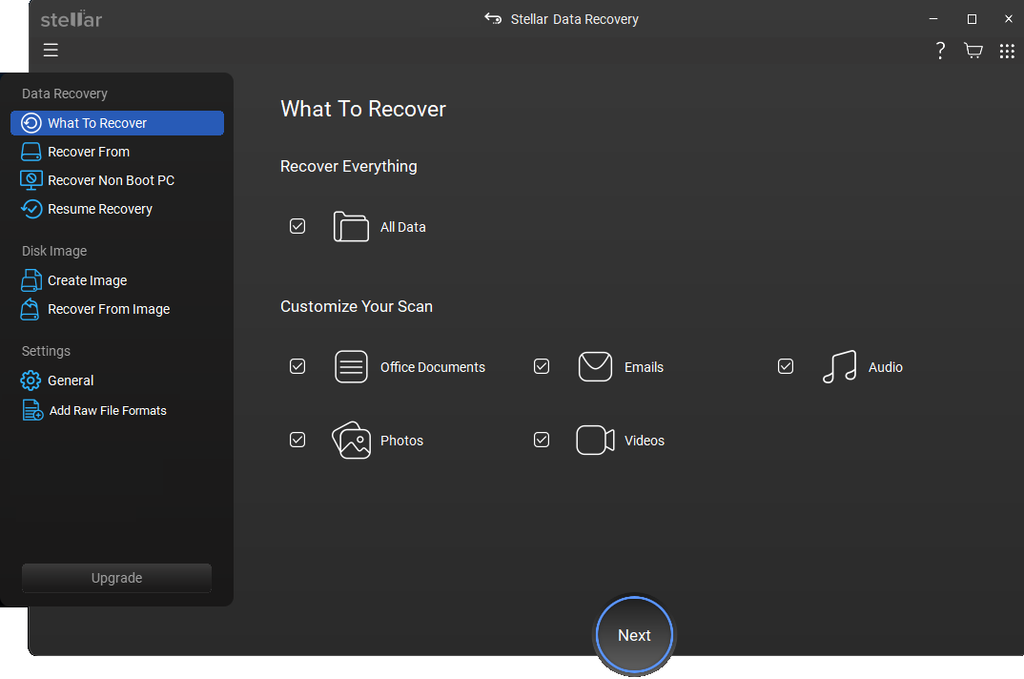
- On the What to Recover screen, select the type of files you want to recover and click Next.
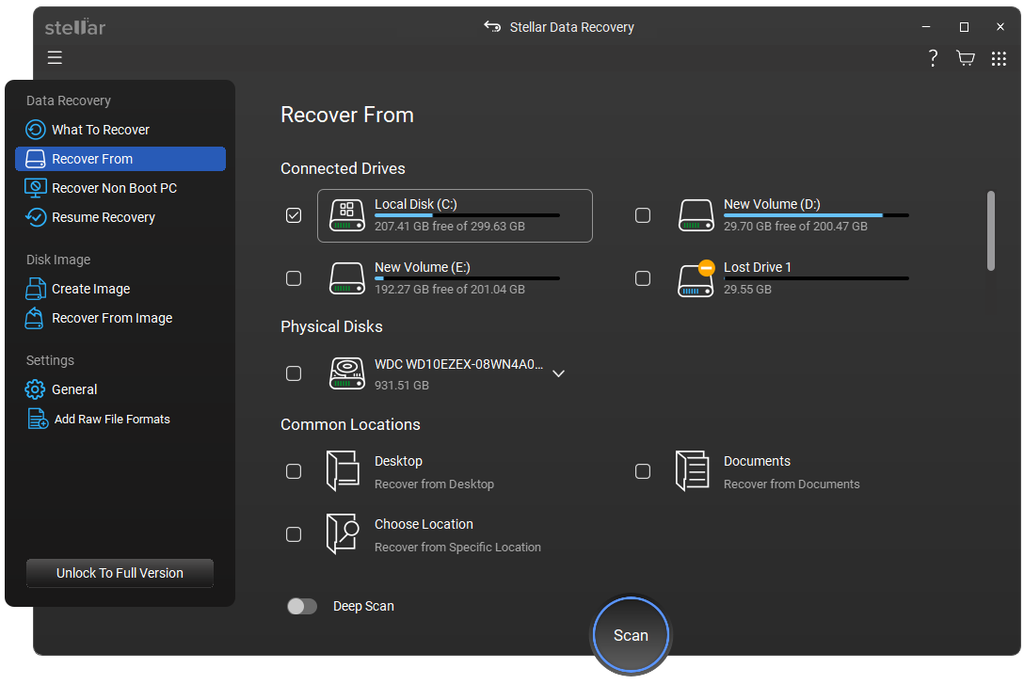
- On the Recover from screen, select the optical drive and click Scan.
- Preview the recoverable files, select the ones you need, and click Recover.
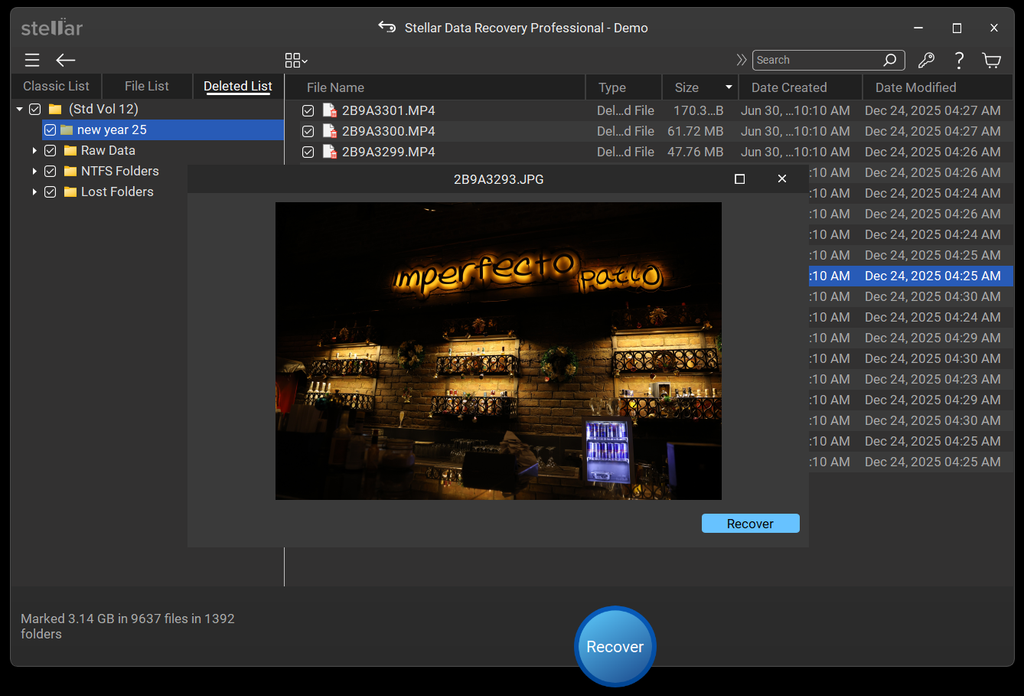
- Save the recovered files to a different location (not the same CD/DVD).
Keep in mind: Recovery software cannot retrieve data from sectors that are physically unreadable. If the damage has destroyed the recorded data, software alone cannot restore the missing information.
4. Polish the Scratch (Last Resort)
To fix a scratched CD at home, polishing is the only repair method worth considering. It can remove a thin layer of plastic to reduce the impact of minor scratches, but it can do more harm than good if not done properly. Try this only after the safer methods have failed, and avoid it if you have important files on the disc.
Use a CD/DVD repair kit or a polish designed for optical discs. Read the instruction on how to use the polish properly, apply gentle pressure in straight lines from the center toward the outer edge. Remove any residue as directed, let the disc dry completely, and test it again.
Do not use these popular home remedies:
- Toothpaste: Its too abrasive and may create more scratches.
- Petroleum jelly, wax, or shoe polish: It can leave a residue that interferes with reading.
- Heating the disc with a light bulb: Heat can distort the disc or damage its layers.
How to Prevent CD/DVD Scratches and Corruption?
Once you’ve recovered your files, make sure you follow these practices to keep your discs readable and reduce the risk of future data loss.
- Don’t rely on optical discs as your only copy, also keep a backup of your data on a hard drive or USB drive.
- Store your CDs and DVDs in protective cases, and avoid stacking loose discs as this can scratch their surface.
- Eject the discs safely after use to reduce unnecessary handling and exposure to dust or accidental damage.
- Label the discs using a soft-tip marker. Do not use ballpoint pens, adhesive labels, and solvents that could damage the disc.
- Store your discs away from direct sunlight, humidity, and sources of heat like car dashboards.
Wrapping Up
It is possible to recover data from a scratched or damaged CD or DVD disc as long as the stored data is readable. It’s not advisable to try hard techniques like polishing the disc or applying petroleum jelly to it as they will only cause further damage to the disc. Start by cleaning the disc and trying it in a different optical drive. If Windows does not recognize the files you need, use Stellar Data Recovery Professional to recover the accessible files. Once your files are rescued, keep multiple backups and store your discs properly to reduce the risk of future data loss.
FAQs
