Most people assume that a drive turning “RAW” means the data on it is already gone for good. No file structure, no access, no visibility… so naturally, they assume it is safe to discard, sell, or reuse the drive without worrying about what had been on it earlier. But they couldn’t be further from the truth.
They learn the hard way that a RAW drive is not an empty drive. It’s simply a drive whose file system has become corrupted or unreadable to Windows. The data inside may still be completely intact, just hidden behind a door the operating system can’t open anymore.
That’s where the real danger lies. This “false sense of security” often leads people to toss away RAW drives, hand them over for repair, or even format them casually – unknowingly exposing extremely sensitive information. Here, we want to break that misconception and explain why a RAW drive can quietly become a data-leak threat, and what you should do before it turns into a problem.
What is a RAW Drive?
A RAW drive isn’t some special type of storage. It’s the same as HDD, SSD, USB stick, or memory card, just without a file system. Windows usually recognizes file systems like NTFS, FAT32, exFAT, etc.
When a file system is damaged or missing on a drive, Windows labels it as RAW. Think of it like a book that’s missing its table of contents. The pages are still there, just jumbled or unindexed.
What this means in practical terms:
The Real Risk: Data Exposure & Recovery Possibilities
Here’s the part most people don’t realize. A RAW drive almost always still contains your old data: documents, photos, IDs, financial records, personal files, backups, browsing data, and more. Just because you can’t see it doesn’t mean it’s gone.
In fact, RAW drives are surprisingly easy to recover data from using professional tools or even free utilities. Cyber-criminals, recyclers, repair technicians, and second-hand buyers know this very well. If you discard or hand over a RAW drive without securely wiping it, here’s what can be recovered:
- Deleted files
- Old documents you forgot existed
- Personal photographs
- Login details saved in browsers
- Confidential business data
- Financial spreadsheets
- Social Security Numbers
Once the drive leaves your hands, you have no control over who recovers what.
This risk becomes bigger if:
- You’re selling an old SSD/HDD
- You’re disposing of office systems
- You’re sending a drive for RMA or repair
- You’re repurposing a RAW USB or SD card
- You’re recycling old laptops
We’ve personally recovered gigabytes of data from RAW drives, data their owners believed was “long gone.” It’s unsettling how easily this can spiral into identity theft, business leaks, or privacy disasters.
When Windows asks you to “Format the drive” it’s tempting to click “Yes” and move on. But formatting doesn’t erase data. Not in the way you think.
A quick format:
- Only rebuilds the file system
- Doesn’t overwrite the actual data blocks
- Leaves most files recoverable with basic recovery software
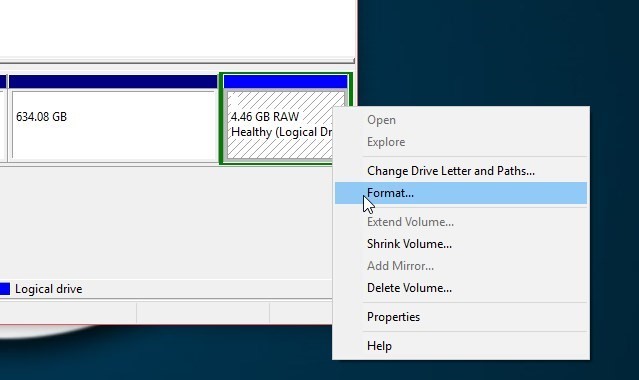
Even a full format isn’t a guarantee on modern drives like SSDs due to wear-levelling and TRIM behavior. If your goal is to permanently delete data, mere formatting will not work
What you need is a secure erasure method that overwrites the drive multiple times, destroys all traces of recoverable data that can’t be resurrected, not even with advanced forensic tools. This is the only safe way to handle a RAW drive before disposing of it or giving it away.
The Safe Solution: Secure Erasure
Once you understand the risks, you realize that securely wiping a RAW drive wasn’t optional; it was essential. The tool you rely on for this purpose is file eraser software. Why? Because it’s designed specifically for situations like this.
It doesn’t care whether the drive is RAW, corrupted, or freshly formatted: it focuses on permanent data destruction, not just visible file removal. What Stellar File Eraser does:
- Overwrites the entire drive using international data-erasure standards
- Ensures deleted data cannot be recovered by any tool
- Works on HDDs, SSDs, USB drives, and memory cards
- Let you choose from multiple wiping algorithms like DoD 5220.22-M, etc.
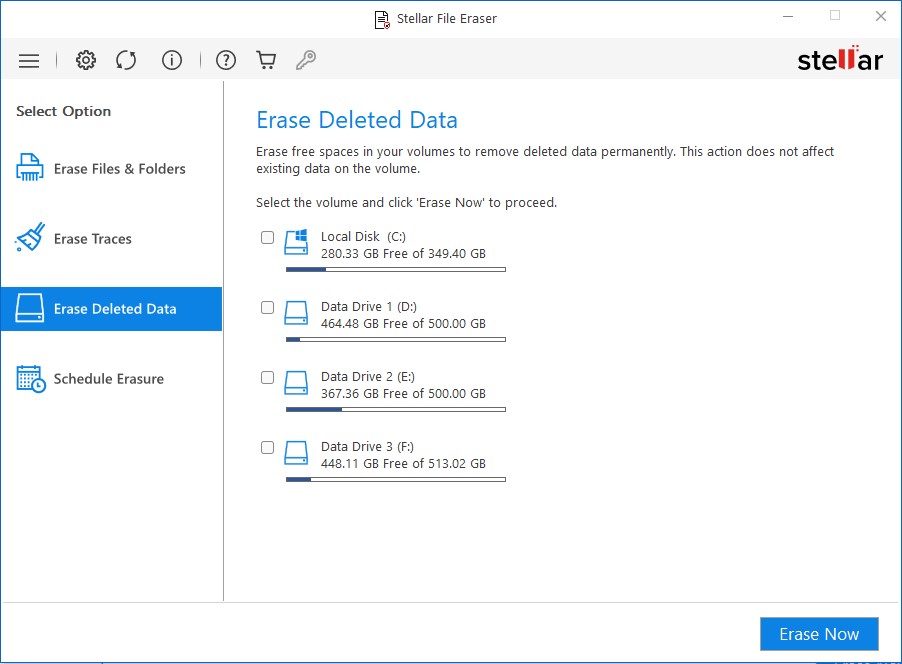
This is especially important for RAW drives since the data is still physically present; it simply isn’t readable through a standard file system route. With Stellar File Eraser, I don’t have to worry about “what might still be on that drive.”
One secure wipe and the data is gone permanently: not recoverable, reconstructible, or visible to anyone. You can add all unwanted files and folders to a list to wipe them in one go or schedule the wipe tasks to run them automatically at a predefined date and time.
For anyone, that peace of mind is worth it.
Bottom Line
A RAW drive may look blank, dead, or inaccessible but it’s not empty. Your old data is still sitting inside, waiting for the right tool to pull it out. And if that tool ends up in someone else’s hands, your privacy goes with it. Don’t rely on file-system damage as a safety net.
Don’t rely on formatting either. And definitely don’t hand over or discard a RAW drive without wiping it securely. If you want to eliminate the risk completely, use a tool like Stellar File Eraser. Take one safe step today. Protect your data before it becomes someone else’s discovery.