Data Recovery Software

How to Recover Files from a Corrupted or Unresponsive USB Drive

Summary:

A corrupted or unresponsive USB drive can often be recovered if Windows still detects it. Check the drive in Disk Management, recover your important files first, and only then attempt repairs. For logically corrupted drives, tools such as data recovery software, CHKDSK, and ATTRIB can help restore access. Once your files are safe, you can try assigning a drive letter, updating USB drivers, or formatting the drive, if necessary.

Table of Contents

A USB drive may become inaccessible due to a damaged file system, a missing drive letter or an unstable connection. You may see a “You need to format the disk before you can use it” message, find the drive listed as RAW in Disk Management, or notice that some files have gone missing.

The important thing is not to rush into formatting or repair. If the drive is still detected and shows its correct capacity, the problem may be logical corruption, and your files may still be recoverable. If the drive isn’t detected at all or shows signs of physical failure like repeated disconnections or excessive heat, continuing to use it can make things worse.

In this guide, we’ll cover the common signs of a corrupted or unresponsive USB drive, explain how to distinguish logical corruption from physical damage, and show you how to recover your files before attempting to repair the drive.

Signs Your USB Drive Is Corrupted or Unresponsive

Signs of USB Drive CorruptionExtent of DamageType of DamageWhat to Do First
Drive doesn’t respond at all.Could be a dead port, bad cable, or a drive with no power getting to itUnclear. Test another port/PC firstTry a different USB port or a different computer before assuming the drive is dead
“You need to format the disk before you can use it”Windows can see the hardware but can’t read the file system on itLogicalRecover your files first, then try chkdsk or TestDisk
Drive shows as RAW in Disk ManagementPartition table or file system metadata is damagedLogicalRecover your files first, then repair the partition or format
Files or folders are missing, or show as 0 bytesFile table corruption, or attributes changedLogicalTry the ATTRIB command, or scan with recovery software
Files open but show garbled or broken contentDamage at the individual file levelLogicalRecovery software may pull an earlier readable version; not always fixable
Copying files freezes, errors out, or drive disconnects mid-transferDrive is unstable. Could be logical or early hardware failureDepends. Stop repeating the attempt either wayBack up what you can immediately, then stop forcing transfers
Shows up in Disk Management, but not in File ExplorerNo drive letter is assignedLogicalAssign a new drive letter in Disk Management
“The disk is write-protected”Drive is locked to read-only.LogicalCheck for a lock switch, or clear read-only with DiskPart
Works fine in one port or PC, not anotherPort, hub, or power delivery issue.Not the driveUse a port wired directly to the motherboard; skip hubs
Runs hot, disconnects repeatedly, or makes a clicking soundFailing hardware, controller, connector, or memory chipPhysicalStop using it. Don’t run scans or repairs. Go straight to a data recovery professional
Shows a huge capacity, but files corrupt after large transfersPossibly a fake or modified flash drive misreporting its real sizeLogical (drive issue, not corruption)Verify capacity with a dedicated tool, then stop trusting the drive with important data

Check whether your USB drive is logically corrupted or physically damaged:

  • Press Win + X and open Disk Management.
  • Check if the drive appears with its correct capacity.

If the drive shows its right capacity, even if it’s unallocated, RAW, or missing a drive letter, you’re dealing with logical corruption, and the below fixes apply to your case. If the drive doesn’t show up at all, then the problem is physical and you need to take it to a professional data recovery service.

Recover Data from a Corrupted or Unresponsive USB Drive

When dealing with a damaged or unresponsive USB flash drive, a dedicated USB data recovery software is the most effective way to reclaim your lost files. Stellar Data Recovery Professional can recover files from flash drives that are inaccessible through File Explorer, including corrupted USB drives and those that have become RAW and require formatting.

For most logically corrupted or RAW drives, a direct scan is enough. Simply launch the software, select your USB drive, run a scan, and recover the files it finds. Use Disk Imaging for drives that are failing, disconnecting, or otherwise unstable, since it avoids repeatedly stressing the drive itself.

  • Launch Stellar Data Recovery Professional on your PC.
  • Click the Create Image option in the left sidebar.
  • Select your USB drive and click Create.
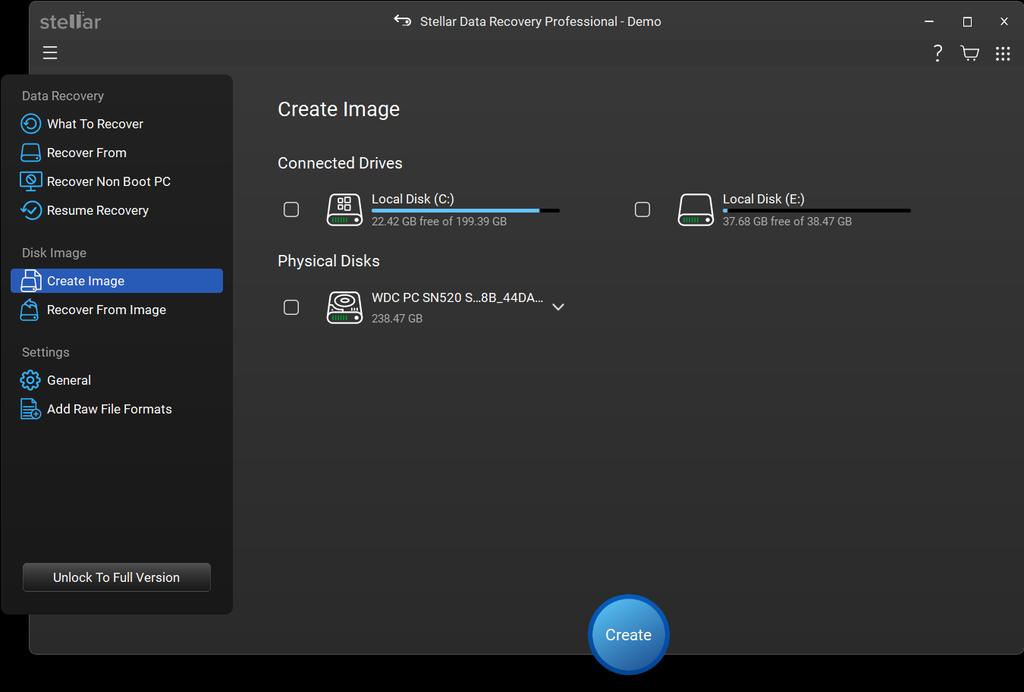
Create disk image
  • A Creating Image screen will appear showing the progress of image creation.
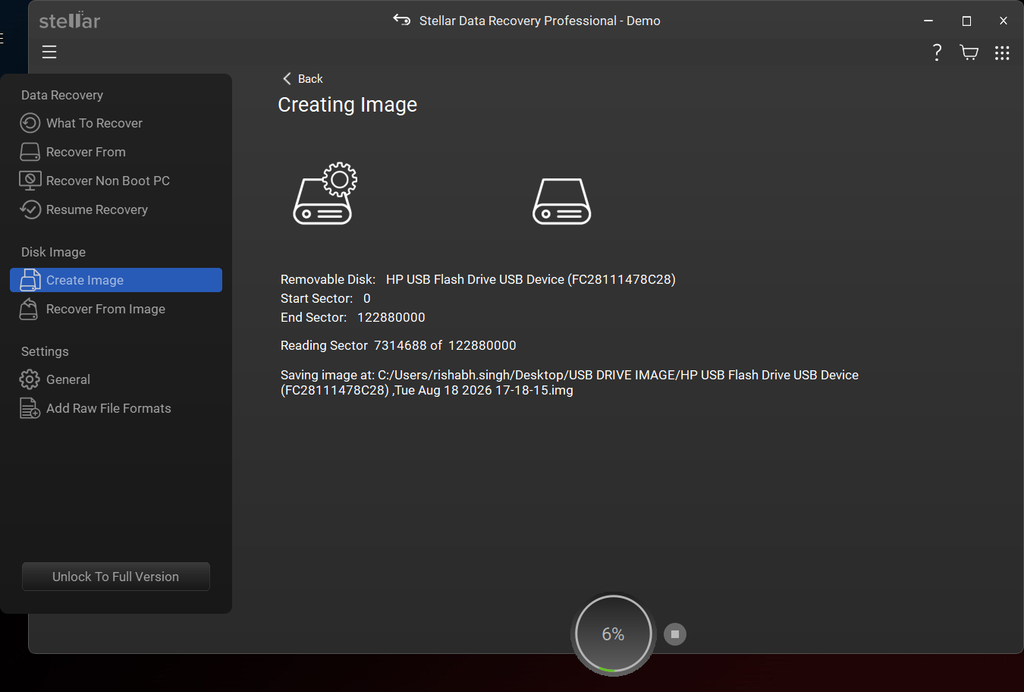
image showing image creation process
  • Once the process is completed, the app will display the newly created disk image. Click Scan to start the recovery process.
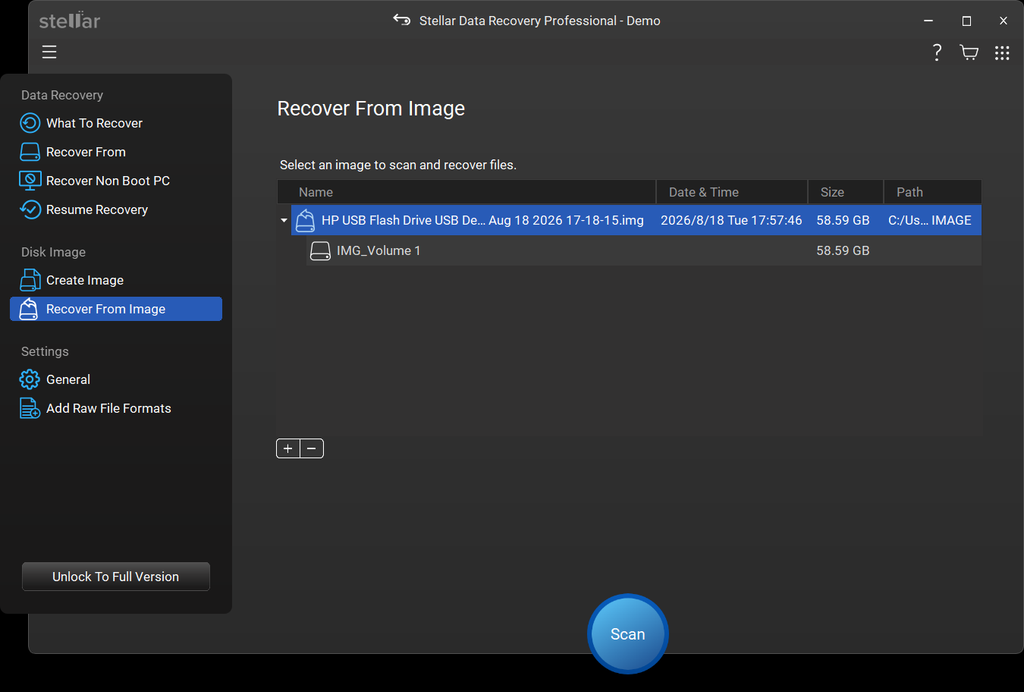
select the image to recover from
  • A screen displaying the scanning process will appear.
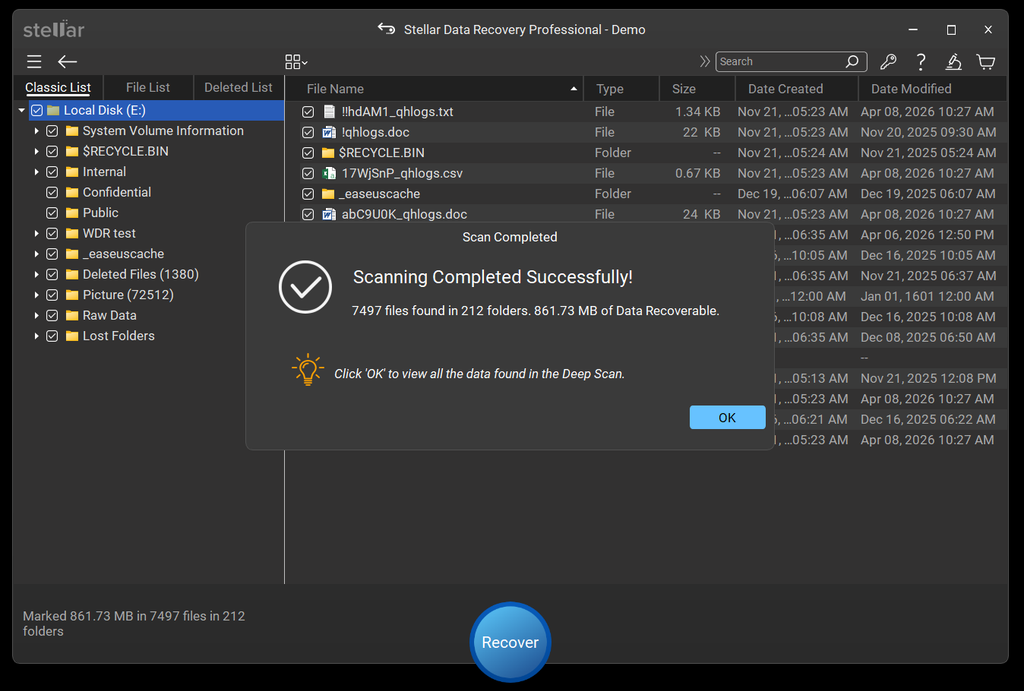
scan results displayed
  • Recovered files will be displayed for you to Preview.
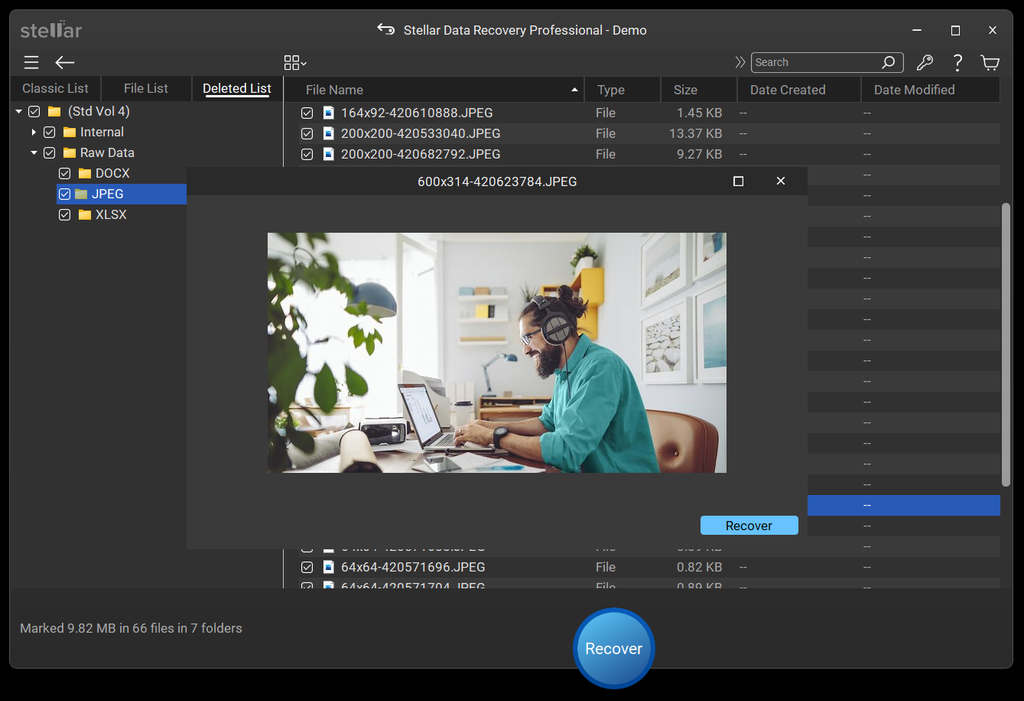
preview the recovered files
  • Select the files you want to retrieve and click Recover to save them to a different location than the original USB.

How to Access Files on a Corrupted USB Flash Drive?

If your drive is corrupted and that’s preventing you from accessing the files stored on it, there are Windows built-in tools that may help. The CHKDSK and ATTRIB commands can scan your drive for file system errors, repair underlying issues, and restore access to hidden or inaccessible files.

Use CHKDSK

CHKDSK is a command-line tool for detecting and repairing file system corruption. It can repair file system errors and restore access to files that seem missing due to file system errors (not actually deleted). 

Note: Recover your files before running this command. Chkdsk /f can move orphaned data into FOUND.000/ .CHK files or otherwise alter the drive. CHKDSK also doesn’t work on RAW drives so if Drive Management shows your drive as RAW skip ahead to repairing the partition or formatting instead.

  • Open Command Prompt as administrator.
  • Type CHKDSK D: /f and press Enter (replace “D” with the drive letter of your USB flash drive).
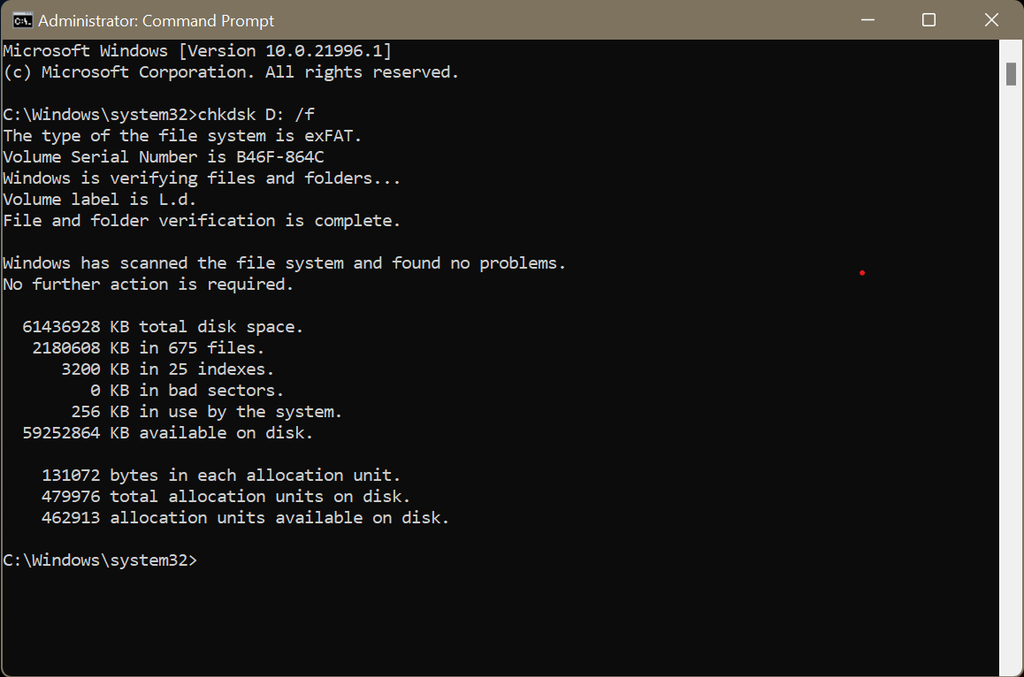
run chkdsk

For the full list of switches, see Microsoft’s CHKDSK documentation.

Use ATTRIB

Apart from CHKDSK, Windows includes another tool called ATTRIB which allows you to change file & folder attributes. It can help you access files hidden (not deleted) due to malware or system changes.

  • Open Command Prompt as administrator.
  • Type attrib -h -r -s /s /d D:\*.* (replace “D” with your drive letter) and press Enter.
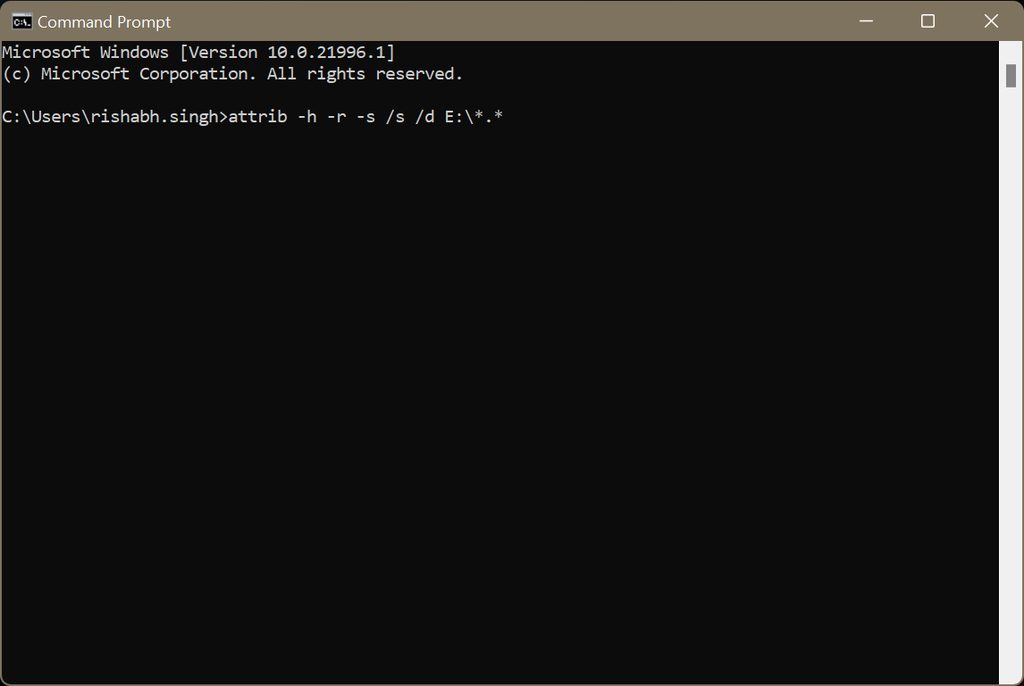
run attrib

How to Fix the USB Drive After Restoring Your Files?

Once you’ve successfully recovered the data from the corrupted USB drive, you can move on to repairing the drive itself. But make sure your important files are backed up first, as some repair methods can erase the data stored on the drive.

1.      Assign the Missing Drive Letter

When the USB drive shows up in Disk Management and but not in File explorer, it usually means that the drive has no letter assigned to it. This is the reason why you are not able to access it. To fix this, you can assign a drive letter yourself or change the existing drive letter.

  • Press Win + X and open Disk Management.
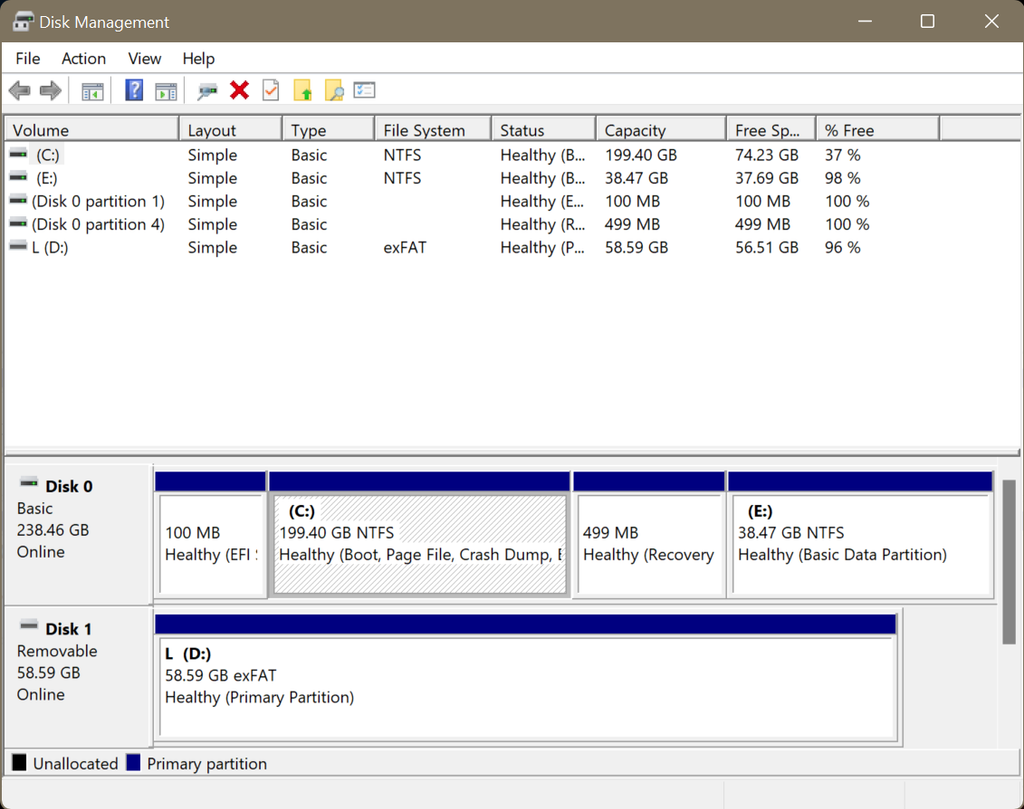
open disk management
  • Right-click on the disk number for your USB and click Change Drive Letter and Paths.
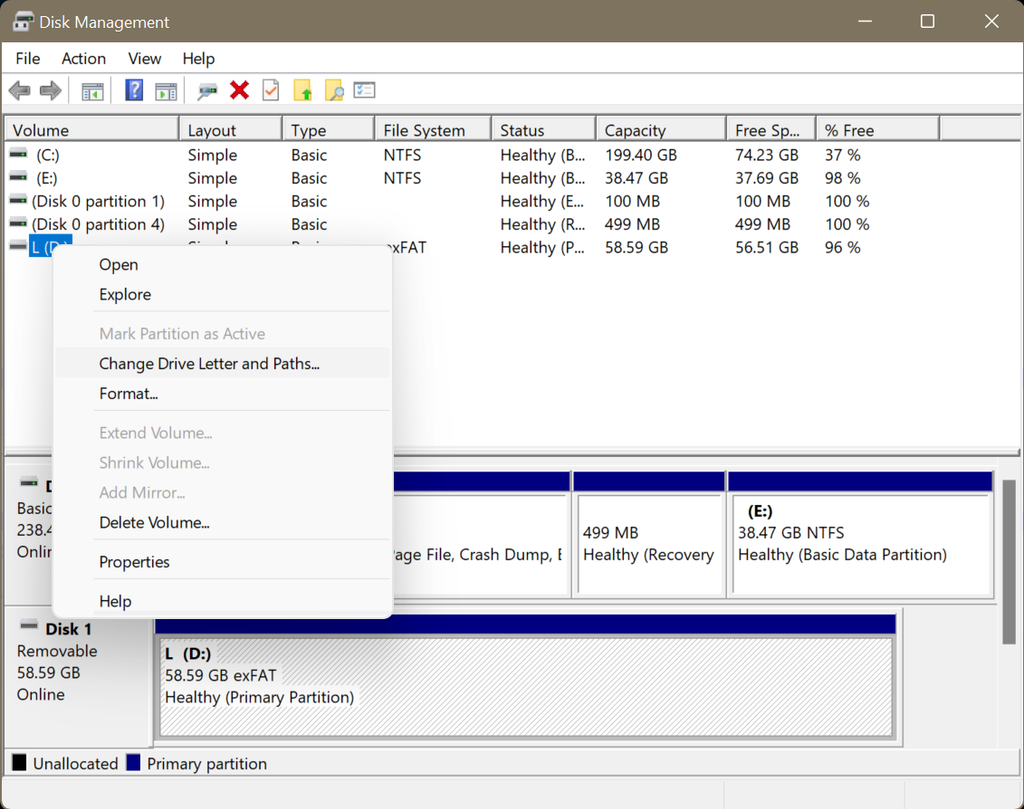
click change drive letter and paths
  • Click Add.
  • Choose a new drive letter using the drop-down list and click OK to confirm.
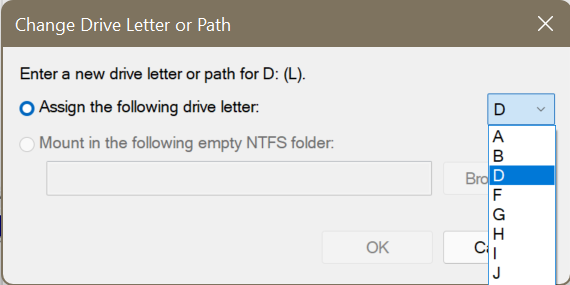
assign a drive letter

Once you’re done, try to access the drive via Windows Explorer and see if it works.

2.      Reinstall or Update Drivers

You may be experiencing issues with your USB flash drive because the Disk or USB drivers on your PC are outdated or corrupted. To fix this, go to the Device Manager and update the USB drivers. If Windows fails to find the latest version locally, download it from the OEMs official site.

  • Press Win + X and open Device Manager.
  • Scroll down to Disk drives and expand the entry.
  • Right-click on the driver and click Update driver.
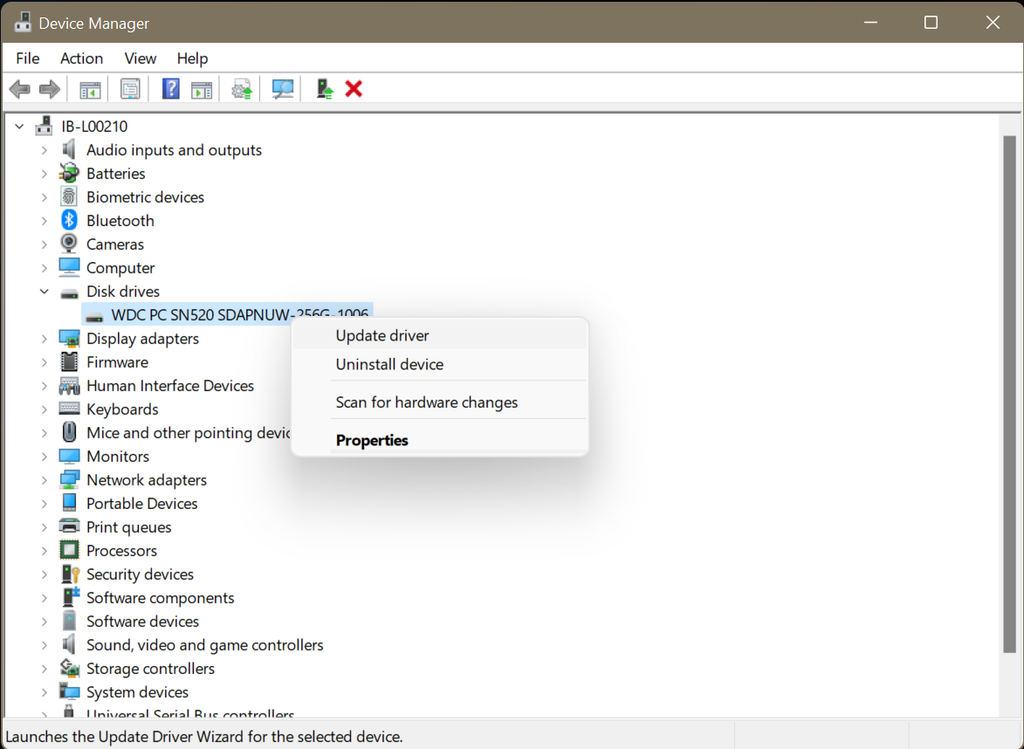
click update driver
  • Click Search automatically for drivers and let Windows install it on your computer.
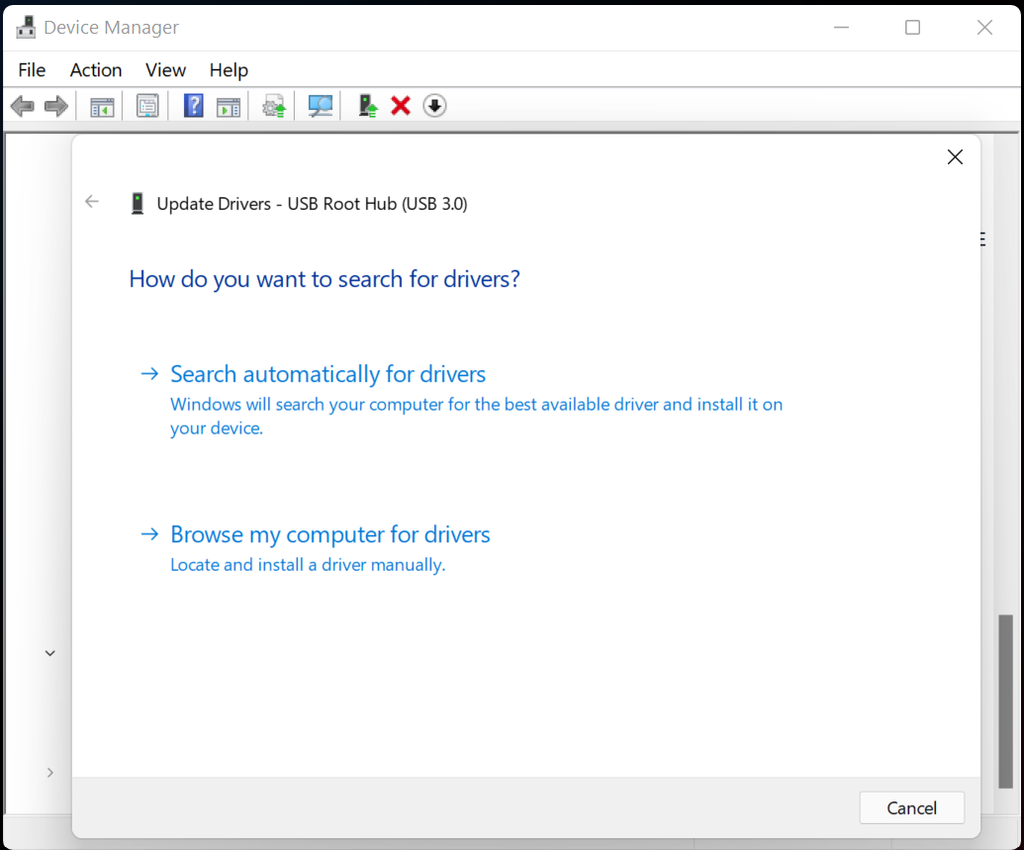
click search automatically for drivers
  • Repeat the same process for each of the Universal Serial Bus Controllers and USB Connector Managers.

3.      Format the Corrupted USB Flash Drive

When all else fails, formatting the drive is a reliable fix for any corruption-related issue. Just keep in mind that it will wipe the drive completely clean. If you have already saved your files elsewhere, you are good to go.

  • Press Win + R to launch the Run dialog box.
  • Type diskmgmt.msc and press Enter.
open disk management
  • Right-click on the USB drive and select Format.
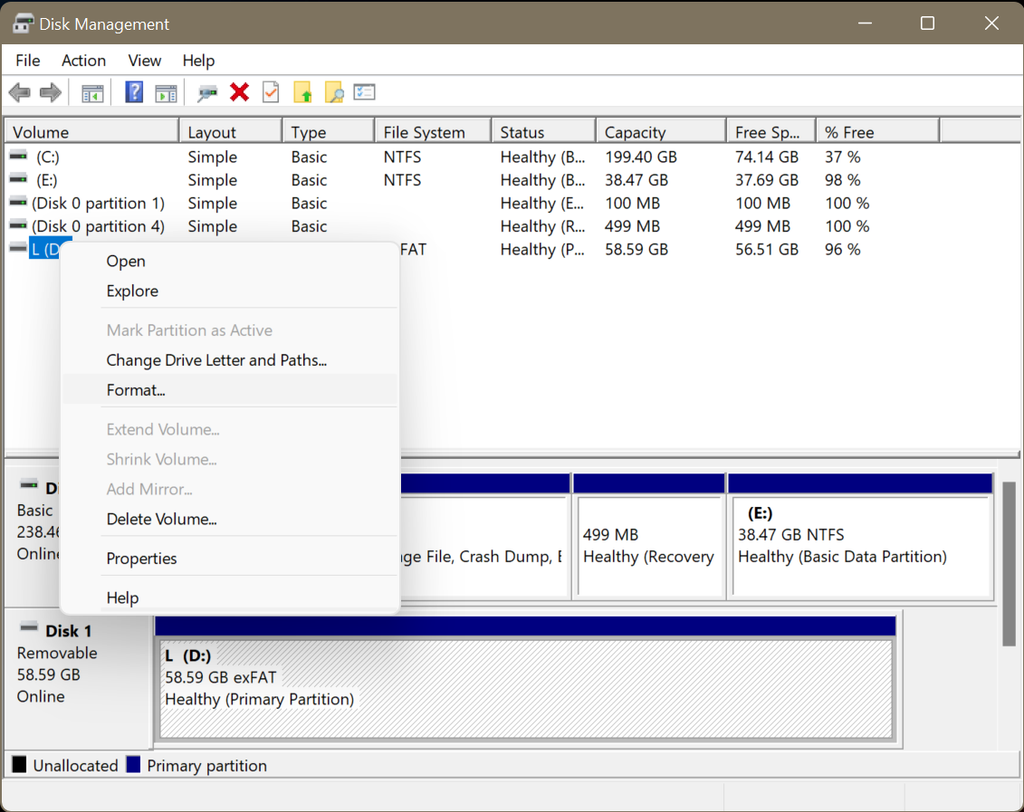
select format
  • Select the file system, check the box next to Perform a quick format, and click OK.
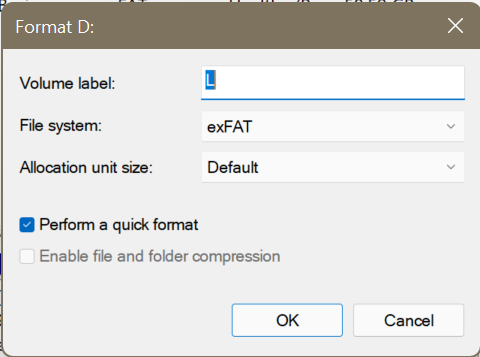
perform a quick format

Wrapping Up

A corrupted or unresponsive drive may not always mean that your files are lost. The first thing to find out is whether the issue is logical or physical and recover your important data before attempting any repairs. After your data is safely backed up, you can try fixes such as assigning a new drive letter, updating drivers, or formatting the drive if necessary. However, if the drive shows sign of physical failure, stop using it immediately and consider professional data recovery services instead.

Yes, files may still be recoverable if the USB drive is detected by Windows. The error can indicate a permissions or file-system access issue rather than complete data loss. Avoid formatting the drive and try accessing the data with dedicated recovery software first.
Windows typically displays the formatting prompt when it can detect the USB hardware but cannot properly read its file system. This can happen when the file system or its metadata is corrupted. If the drive contains important files, recover them before accepting the format prompt.
Sometimes. If the problem is limited to logical corruption, certain repairs may restore access without intentionally deleting your files. However, there is no guarantee that a repair operation will preserve all data, so recovering important files first is the safer approach.
A small difference between advertised and usable capacity is normal because manufacturers and operating systems calculate storage differently. However, a significantly incorrect capacity can indicate partition or drive-related problems. If the difference is unusually large, verify the drive's actual capacity before trusting it with important data.
Yes. If a file transfer repeatedly fails, freezes, or causes the USB drive to disconnect, the drive may be unstable. Continuing to repeat the transfer can place additional stress on the drive, so it is better to prioritize recovering the data you can still access.
ABOUT Expert
Santosh Kumar

Santosh Kumar

Senior Software Architect, Cross-Platform Data Recovery & Digital Forensics Expert

Santosh Kumar is a senior software architect and cross-platform data recovery expert with over 21 years of experience in software development, holding a B.Tech. in Computer Science & Engineering. Across a career spanning three organizations — Stellar Information Technology Pvt. Ltd. (Gurugram), SRA Systems Ltd. (Chennai), and Fortune Informatics Limited (Hyderabad) — he has built deep technical expertise in Qt, C, C++, and Objective-C across Windows, macOS, and Linux environments.

About The Author

Rishabh Singh

Assistant Content Manager

Rishabh is a data recovery expert with a hands-on approach to creating practical DIY guides and in-depth articles. His work focuses on data recovery, data erasure, file repair, and troubleshooting errors across Windows and macOS systems. He is also a strong advocate for decentralization and open-source technology. Outside of work,...

Curious about our content creation process? Take a look at our Editor Guidelines.

247 comments

  1. I used my external USB hard drive made bootable. But, some very important data was in the USB disk. Now, how can I remove the bootable system without any format, I just want to get back my previous data.

    1. Hello Md. Mahfuzul,
      In this case, we recommend you to use Stellar Data Recovery-Professional software to recover the data from this USB drive. Check whether this drive is listed in our software or not. If yes then select this USB and scan it. If not then select “Can’t Find Drive” option to recover the lost/deleted partition of this USB. Thanks

  2. good day, my 4gb USB have a problem. i can easily open it. i can transfer files (pic and videos) to it. after transferring, i can still open the files but the problem starts after i eject the USB. after ejecting i will reinsert the USB and my files are already corrupted 🙁 what can i do?

    1. Hello Jae,
      In case, You go to cmd and types these command
      d: [Select your USB derive. In my case it is d]
      d: del*.lnk [ Enter]
      d: attrib i:*.* /d /s -h -r -s [Enter]
      I hope this command works and it will repair your images and videos. Ans Still if the files are corrupted then you may use the Stellar Repair for Video or Photos to check the possibility of repairing even before purchasing the software.
      Thanks

    1. Hello Yazmin,
      If I am right you are telling about manual step to recover file from logical issue. So it depends upon your computer hardware specification. If your computer hardware specification is good processing speed is sufficient so it will take sufficient time.

  3. Dear sir,
    my pen drive not working and showing below sg.
    Windows has stopped this device because it has reported problems. (Code 43)

    A request for the USB device descriptor failed.

    Please help me

    1. Hello Ravi,

      In this case, we recommend installing the Stellar Data Recovery Professional software.

      After installing the software, choose the data which you want to recover, after that kindly perform “Can’t Find Drive” option to locate deleted/last formatted partition of the storage device. Once the partitions are located then you can scan these partitions and recover the desired data.

  4. Hi, I have tried the above-mentioned steps to repair the corrupt USB flash drive. The steps really helps me in recovering my lost files.

      1. Hi Manjunath,

        After plugging the pen drive in the device, go to Device Manager (In run type “devmgmt.msc”). In the Device Manager, go to “Universal serial bus controllers”. It should list the storage devices that you have connected to your PC. Right click on it and then click “Uninstall. Remove the pen drive and restart your system.

        Try connecting the device again. I think this should solve the problem.

        Kindly acknowledge your status.

        Good Luck!!!

      2. Hi my 8gig USB flash says no media. Please help. I can’t evens format it or update the driver. Tried running data recovery and it says no media found. Last night everything was still working fine

      3. Hello Caleb,

        We recommend you to try the demo version of Stellar Data Recovery Professional.

        Kindly install the software from the below-mentioned link Download Link

        After installing the software, please follow the below-mentioned steps to perform the scan on your drive:

        1. Run Stellar Windows Data Recovery.
        2. From Select What to Recover screen, select the type of data i.e. Everything, Documents, Folders & Emails or Multimedia Files, you want to recover.
        3. Click Next.
        4. On Select Location screen, select Can’t Find Drive from Other Locations
        5. Now click on ‘Scan’ button.
        6. In the Select Drive section, all the hard drives connected to the system are listed with their details. From this section, choose a hard drive you want to scan for lost partitions and click Search. A scan for lost or deleted partitions will be performed in the selected disk or drive.
        7. Any ‘lost partition’ detected, will be listed in the Partition Found section.
        8. From the list of partitions found, select any desired partition and click Scan to continue with the recovery process.

        Note: If you can’t find your desired partition in the Partition Found section, you can choose Deep Scan option to perform a comprehensive scan of the selected drive for deleted or lost partition.

      1. I did all the steps described here above but my Kingston DataTravaller 3.0 USB flash drive of 64GB, formatted NTFS wasn’t detected. In device manager on whatever USB port I insert the stick it will appear as “USB Mass Storage Device” with an yellow triangle with an exclamation mark.
        There any chances to recover my data in a structured way (files & directory)? I had really important and uniqe data, gathered in time. Exist by any means the possibility to recover them like it was before or even partial?
        It was detected in a USB port & scanned by Win 10 Pro and “repaired” at a boot time, but I suppose that it’s chkdsk /F didn’t repaired correctly anything but formatted it, but I don’t understand why it will now didn’t see it.

      2. Hello Alex,

        Thank you for contacting Stellar Data Recovery.

        Kindly download Stellar Windows Data Recovery Professional from the below mentioned link:

        Download Link

        Please follow the below mentioned steps to perform the scan on the drive:

        1. Run Stellar Windows Data Recovery.
        2. From Select What to Recover screen, select the type of data i.e. Everything, Documents, Folders & Emails or Multimedia Files, you want to recover.
        3. Click on Next.
        4. On Select Location screen, select Can’t Find Drive from Other Locations.
        5. Click on ‘Scan’ button.
        6. In the Select Drive section all the hard drives connected to the system are listed with their details. From this section, choose a hard drive you want to scan for lost partitions and click Search. A scan for lost or deleted partitions will be performed in the selected disk or drive.
        7. Any ‘lost partition’ detected, will be listed in the Partition Found section
        8. From the list of partitions found, select any desired partition and click Scan to continue with the recovery process.

        Note: If you can’t find your desired partition in the Partition Found section, you can choose Deep Scan option to perform a comprehensive scan of the selected drive for deleted or lost partition.

    1. How?
      I tried . Bus my usb is showing format option only . I have to recover very imp data. Plz help

      1. Hi Nayab,
        To recover data from such kind of drive which is asking for the format, we believe that such a drive does not show in our software. Our software can recover data from the detected hard drive in the system. If the drive is not detecting then you can avail data recovery service. Thanks

  5. I’m a student with limited financial resources, and I lost my files, which is very important and found this software very useful. However, to use it, it requires me to buy the full feature, in which i hardly can’t afford. hoping to have a free version for students like me. thanks.. as for the application, it is very useful and i thoroughly recommend it.

    1. Hello Jane,

      Sorry to hear that you lost your important files.

      You can try Stellar Data Recovery – Free Edition software to recover upto 1GB of lost/deleted files.

      Download Link: Download Link

  6. I found Stellar Data Recovery after having lost about 6 hours worth of my chemistry lab when my flash drive failed. Kept giving the prompt “this disk needs to be formatted” and nothing was showing in the hard drive at all. I got my files back completely. I highly recommend and thanks for the tip.

  7. This is the perfect blog for anyone who wants to understand this topic.
    You know so much its almost hard to argue with you.
    Wonderful stuff, just excellent!

    1. Hello Musa,

      As per this query the USB is corrupted. We would recommend to recover the data and try to check for the preview of these files.

      Kindly download the demo version of the software from below link:

      Download Link

      This software will assist to recover the Video Files and repair them also if they are corrupted due to corruption if the USB stick.

Leave a comment

Your email address will not be published. Required fields are marked *

Google Trust
Related Posts

WHY STELLAR® IS GLOBAL LEADER

Why Choose Stellar?

  • 3M+

    Customers

  • 30+

    Years of Excellence

  • 100+

    R&D Engineers

  • 190+

    Countries

  • 8000+

    PARTNERS

  • 120+

    Awards Received

Stellar With 30 Years of Excellence
Technology You Can Trust
Data Care Experts since 1993
×